

CO2 SENSOR
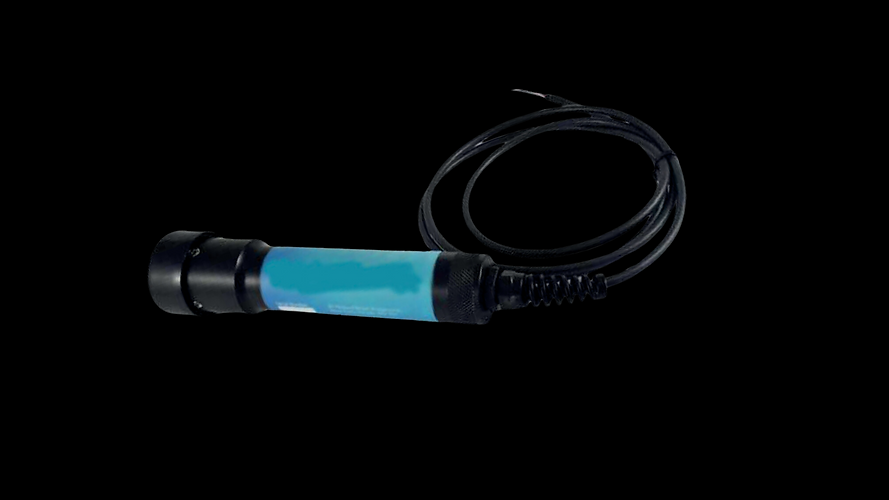
Compact and reliable plug & play sensor for measuring dissolved CO2 in seawater and freshwater.
Reliable CO2 monitoring in both freshwater and seawater!
Quality sensor specially developed for long-term immersion and continuous monitoring of dissolved CO2 in freshwater and seawater. Developed to cope with the stresses of monitoring e.g. fish farms, open cages and transport of live fish, as well as various RAS systems for water,
Temperature and pressure compensated measurements of free dissolved CO2
and partial pressure of CO2, combined with user-fed salinity values enable
automatic salinity correction.
Flow-through and in-line adapters ensure simple and efficient industrial solutions.
Distributor
-
Continuous 24-7 monitoring
-
Easy to integrate into existing systems
-
Plug and play sensor
-
Robust and compact design
More information
Use cases
-
Ensure good fish health
-
CO2 and TDGP monitoring of land-based and sea-based fish farms
-
Monitoring CO2 in RAS systems
-
Monitoring of CO2 in water intake by shellfish hatcheries
-
CO2 monitoring during live transport of fish
-
Monitoring for shellfish growth
-
CO2 measurements in lakes and rivers
-
CO2 studies of groundwater
Fishing industry
RAS systems and wellboats are particularly vulnerable to CO2 problems. Increased current density, leaks in air pumps, biofilters, spring water and more, can lead to elevated CO2 levels. High levels of dissolved CO2 have been associated with mineral formation in the kidneys of the fish, reduced growth, reduced efficiency of feed conversion, increased susceptibility to pathogens and interference with the sense of smell which in turn leads to erratic swimming. Continuous measurement of dissolved CO2 in RAS facilities can therefore provide useful and cost-effective information about when the plant needs to be ventilated, and thus avoid harmful CO2 levels.
Shellfish industry
Elevated CO2 levels change the balance of the carbonate system in seawater. These changes make seawater more corrosive to shellfish shells. The earliest larval stages are particularly sensitive to such changes and may end up spending too much energy on shell building. This can lead to increased mortality. Intake of seawater that is acidified has been linked to the collapse of oyster seed production at hatcheries. Monitoring CO2 is the best method to ensure knowledge about changes in carbonate chemistry and enables the protection of the shellfish population.
